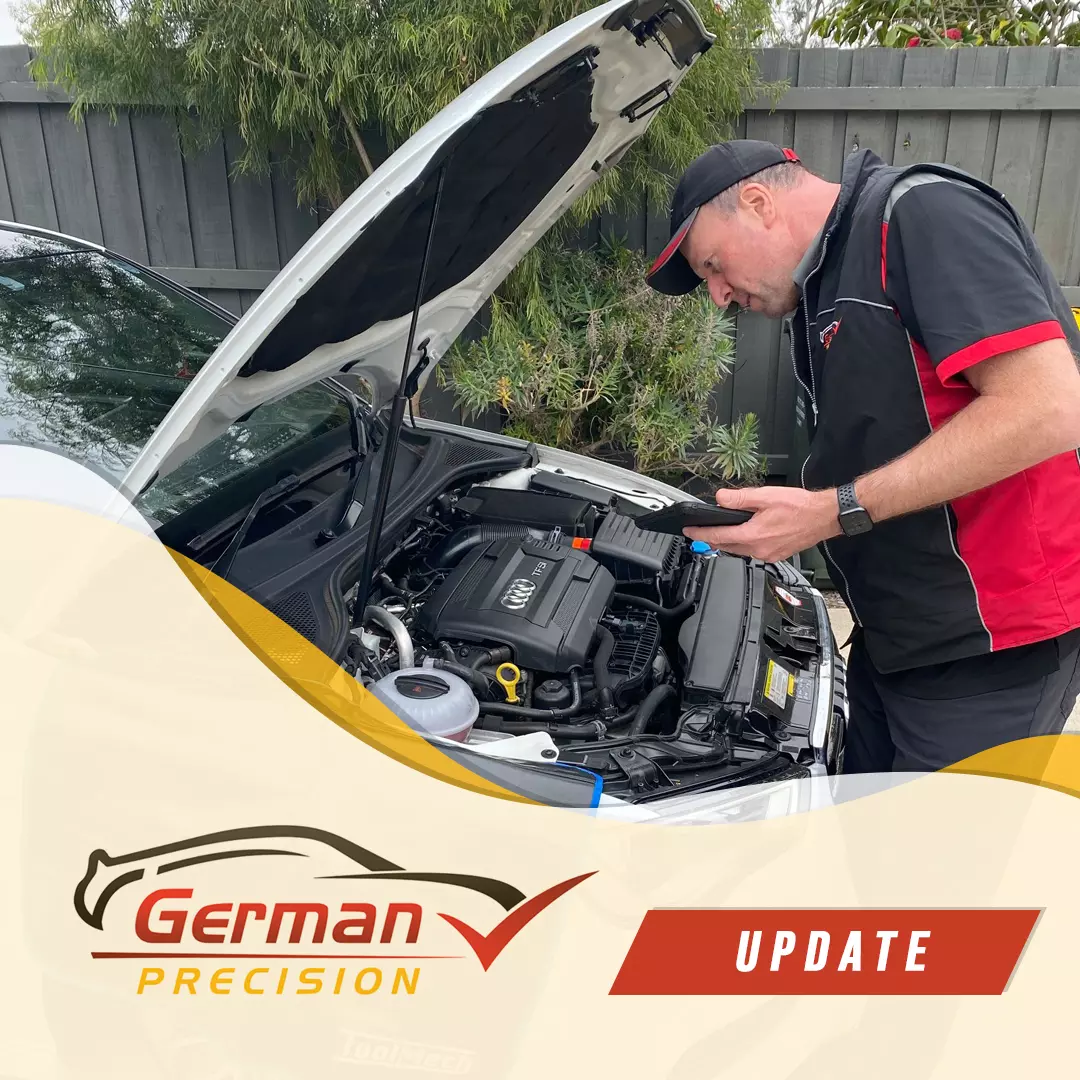
Book a BMW Pre-Purchase Inspection (PPI) before committing to any used BMW. A thorough inspection uncovers hidden problems and protects you from costly mistakes. It can save you from buying a car with hidden problems, ensuring you make an informed decision. With years of expertise, specialists, like German Precision, known for their in-depth understanding of German vehicles, can offer insights that are pivotal to your BMW purchase. But what exactly happens during a pre-purchase car inspection, and why is it so important? In this guide, we’ll explore the Pre-Purchase Inspection process in detail, including the steps involved, its importance, and what you should expect.
What is a BMW Pre-Purchase Inspection?
A BMW Pre-Purchase Inspection (PPI) is a comprehensive check carried out by a professional mechanic to assess the condition of a used BMW before you commit to purchasing it. Whether you’re buying from a dealership or a private seller, this inspection evaluates the vehicle’s health, catches hidden faults, and stops you from making a costly mistake.
Experienced specialists, like those at German Precision, know that each BMW model requires a tailored approach during the Pre-Purchase Inspection process. Their BMW experience means nothing gets missed. The inspection covers exterior, interior, engine, suspension, brakes, transmission, and the car’s computer system. All these checks give you an in-depth picture of the car’s condition, helping you make an informed purchase.
The Duration of a BMW PPI
A BMW Pre-Purchase Inspection typically takes between 1.5 to 2 hours. The duration can vary depending on the car’s condition, the extent of the inspection, and whether any additional tests are needed. For example, if the car is well-maintained, the inspection might take less time. Older cars or those with known issues take longer. Diagnostic scans add time but catch hidden engine and electrical faults.
Specialised facilities, such as German Precision, offer meticulous checks that might take a little longer but provide a comprehensive and thorough assessment of the car. It’s worth noting that a pre-purchase car inspection can sometimes involve diagnostic scans, which can take additional time. This ensures that no hidden issues are missed, particularly with the engine or electrical systems.
The Step-by-Step Process of a BMW Pre-Purchase Inspection
Exterior Inspection
The first part of the Pre-Purchase Inspection process is a thorough exterior check. The mechanic will inspect the bodywork for any signs of damage, such as scratches, dents, or rust. Repainted areas might indicate previous accidents or repairs, which is a potential red flag. The BMW Pre-Purchase Inspection also includes an examination of the tyres and wheels, checking for any uneven wear, damage, or alignment issues. Additionally, exterior lights (such as headlights and brake lights) are tested to ensure they’re functioning properly.
Interior Inspection
Next, the mechanic will examine the interior of the car. This includes checking the condition of the seats, dashboard, and upholstery for any signs of wear and tear. The inspector tests all electronic features — power windows, heated mirrors, power seats, infotainment, CarPlay, and sunroof — confirming everything works. The air conditioning and heating systems will also be checked to ensure they’re functioning correctly, and reaching desired temperatures.
Engine Compartment Review
The engine compartment is where most mechanical issues can be found. The mechanic will look for any signs of prior accidents, leaks, oil residue, or unusual wear on belts and hoses. The mechanic inspects the engine for damage or irregularities. Fluid levels, including engine oil, transmission fluid (where applicable), brake fluid, and coolant (including type and temperature ratings), will be assessed to ensure they are at the proper levels and in good condition.
At German Precision, their extensive experience with BMWs means they are familiar with common issues that can arise in these engines, such as turbocharger or DPF/EGR problems or oil leaks, ensuring they conduct a thorough inspection in this area.
Suspension and Underbody Check
A crucial part of the BMW Pre-Purchase Inspection is the suspension and underbody review. The mechanic will check the suspension system for wear and tear, particularly on the shock absorbers, struts, and bushings. The mechanic examines brake pads and rotors to ensure they’re in good condition. Then they checks for rust and exhaust damage, as this can affect performance.
Transmission and Drivetrain
The Pre-Purchase Inspection process also involves an evaluation of the transmission and drivetrain. The mechanic will test the car’s transmission for smooth shifting and spot leaks or irregular behaviour. The drivetrain components, including the driveshaft and axles, will be inspected for any issues.
Diagnostic Scan
A key part of modern inspections is the use of diagnostic tools to scan the car’s computer systems for error codes. This catches issues the naked eye misses, such as problems with the engine control module (ECM), sensors, or electrical components. This step is vital for a thorough pre-purchase car inspection.
Test Drive
Finally, the mechanic will take the car for a test drive. This helps them assess the vehicle’s performance in real-world conditions. They will evaluate the handling, braking, acceleration, and listen for any unusual noises or vibrations that might indicate underlying problems.
Importance of a BMW Pre-Purchase Inspection
A BMW Pre-Purchase Inspection is crucial for anyone buying a used BMW. These vehicles are known for their longevity and performance, but only when owners maintain them properly. A PPI protects you from buying someone else’s expensive problem. Find issues early and you can negotiate a lower price — or walk away entirely.
When buying from specialists like German Precision, you can have peace of mind knowing that you’re getting a thorough inspection from those who are experienced with the unique intricacies of BMWs.
Potential Costs of a BMW Pre-Purchase Inspection
The cost of a BMW Pre-Purchase Inspection typically ranges from $385 to $399, depending on the location and the depth of the inspection. Some dealerships might charge more for their inspections, if they actually do them, while independent mechanics may offer more affordable options. Keep in mind that this is a small price to pay when compared to the potential costs of major repairs that could arise if the car’s issues are discovered after purchase.
With trusted providers like German Precision, you’re paying for more than just the inspection; you’re paying for years of specialised experience and expertise in diagnosing BMW-specific issues.
When Should You Get a BMW Pre-Purchase Inspection?
You should always schedule a BMW Pre-Purchase Inspection before finalising the purchase. Even if the car looks perfect during a test drive, a PPI can uncover hidden faults that could cost you in the long run. If the seller refuses to allow an inspection, this is a significant red flag, and you should reconsider your interest in the car. A reputable seller will always agree to a pre-purchase inspection.
What Happens After the Inspection?
Once the BMW Pre-Purchase Inspection is complete, you will receive a detailed report outlining the car’s condition. This report will highlight any issues or potential concerns. You can use this information to negotiate the price of the vehicle or even decide against purchasing it altogether. If the inspection reveals severe issues, it may be better to continue your search for another car.
How to Choose the Right Mechanic for a BMW Pre-Purchase Inspection
Choosing the right mechanic for a BMW Pre-Purchase Inspection is crucial. You want someone who is not only skilled but also has experience with BMW vehicles. BMWs have specific systems and components, so it’s important to choose a mechanic who understands these intricacies. Look for a certified BMW specialist or an authorised BMW dealership with experienced mechanics.
Specialists like those at German Precision are ideal, as their years of hands-on experience ensure that your car undergoes a thorough and informed inspection.
Common Issues Found During BMW Pre-Purchase Inspections
While every used BMW is different, some issues are more common than others. These can include:
- Engine issues: Problems with the timing chain, turbochargers, or oil leaks.
- Suspension wear: Faulty shock absorbers or struts.
- Brake problems: Worn brake pads or rotors.
- Electrical faults: Issues with sensors, the infotainment system, or other electrical components.
A pre-purchase car inspection can help identify these issues before they become costly repairs.
Conclusion
A BMW Pre-Purchase Inspection is an essential step when buying a used BMW. It offers peace of mind, ensuring that you’re not stuck with an expensive repair bill shortly after purchase. By understanding the Pre-Purchase Inspection process, you can confidently evaluate the condition of any used BMW and make an informed decision. Don’t skip this crucial step—whether you’re purchasing from a dealer or a private seller, a pre-purchase car inspection can save you a lot of trouble in the future.
For the most thorough, accurate inspections, trust experts like German Precision, who specialise in the diagnosis and care of BMWs.
Ensure Your BMW is in Top Condition with German Precision
Before you finalise your BMW purchase, schedule a Pre-Purchase Inspection with the experts at German Precision. With years of experience in diagnosing and maintaining German vehicles, our team provides thorough and accurate inspections to give you peace of mind.
Don’t risk costly repairs down the line—trust the professionals who know BMWs inside and out. Contact us today to book your PPI and make a confident, informed purchase!
FAQs
- How can a Pre-Purchase Inspection save me money in the long run?
- A PPI helps identify potential issues early, allowing you to negotiate a lower price or avoid buying a car that could require expensive repairs.
- Can I perform a BMW Pre-Purchase Inspection myself?
- While you can perform a basic inspection, it’s highly recommended to hire a professional mechanic who is experienced with BMWs.
- What if the BMW I’m buying has already had a PPI done?
- Even if a PPI has been completed, it’s still worth getting an independent inspection to ensure the car is in top condition.
- How do I know if the PPI report is reliable?
- Make sure the inspection is conducted by a qualified mechanic with expertise in BMWs. A detailed, comprehensive report should outline any issues clearly.
- Is a PPI needed for all used BMW models, or only specific years?
- A PPI is recommended for all used BMWs, regardless of the model year, to ensure there are no hidden issues that could lead to expensive repairs.